


Hey there! As a supplier of Border Embroidery Fabric, I'm super stoked to share some cool ways to add color gradients to border embroidery on fabric. It can really take your embroidery projects to the next level, making them stand out and look more professional. So, let's dive right in!
1. Using Thread Blending
One of the simplest ways to create color gradients in border embroidery is by blending different threads. You can start with a light - colored thread at one end of the border and gradually introduce darker threads as you move along. For example, if you're working on a floral border, you could start with a pale pink thread and then blend it with a medium pink and finally a deep rose color.
To do this, you can use a technique called thread pooling. Take a few strands of each color and hold them together. As you stitch, the colors will blend together, creating a smooth gradient. This works especially well with silk or cotton threads. When you're stitching, make sure to overlap the stitches slightly to ensure a seamless transition between the colors.
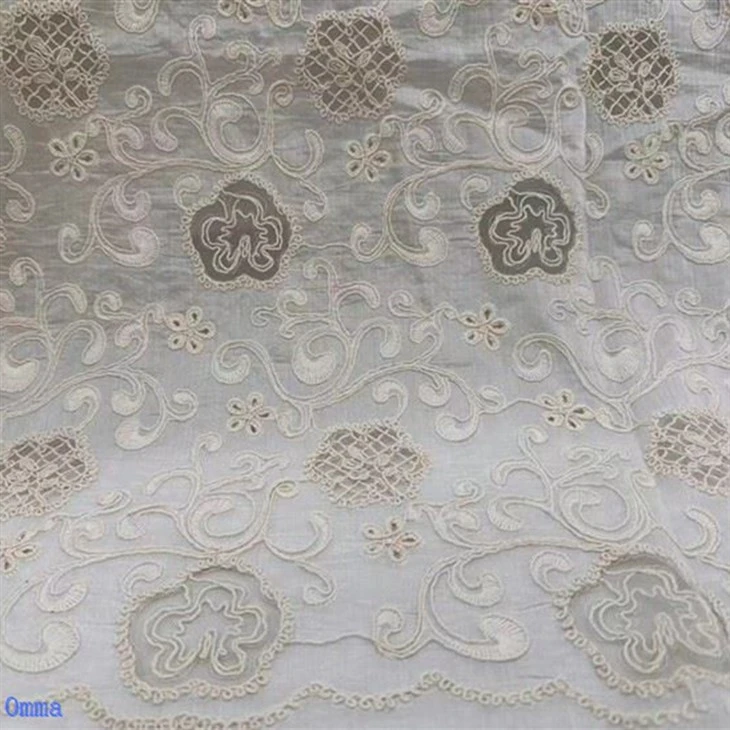

Another option is to use variegated threads. These threads already have a built - in color gradient. They're great for adding a pop of color to your border embroidery. You can find variegated threads in a wide range of color combinations, from soft pastels to bright neons. Just pick the one that suits your project the best.
2. Dyeing the Embroidery
Dyeing is a more advanced technique but can yield amazing results. You can dye the fabric after the embroidery is done to create a color gradient effect. First, you need to choose a fabric that takes dye well, like cotton.
Start by protecting the areas of the fabric where you don't want the dye to penetrate. You can use masking tape or wax resist. Then, mix your dye according to the manufacturer's instructions. For a gradient, you can dip one end of the fabric into the dye and gradually pull it out, allowing the dye to soak in more at the bottom and less at the top.
You can also use a spray bottle to apply the dye in a more controlled way. Start with a light color and gradually add darker colors as you move along the border. Make sure to let the fabric dry completely between each application of dye. This technique gives you a lot of creative freedom, as you can experiment with different dye colors and application methods.
3. Digital Printing on Embroidery
If you're looking for a more precise and consistent way to add color gradients, digital printing is a great option. You can use a digital printer to print a color gradient design directly onto the fabric before or after the embroidery.
First, create your color gradient design using graphic design software. You can choose from a wide range of color combinations and styles. Once your design is ready, transfer it to the printer. Make sure to use a printer that is suitable for fabric printing.
Digital printing allows you to create very detailed and complex color gradients. You can also print the design on different types of fabrics, including Fancy Cord Embroidery Laser Lace Fabrics For Women, Solid Eyelet Embroidery Fabric, and Cotton Eyelet Embroidery Fabric. This technique is especially useful for large - scale projects or when you need to reproduce the same design multiple times.
4. Hand - Painting the Embroidery
Hand - painting is a very artistic way to add color gradients to border embroidery. You can use fabric paints to create a unique and personalized look.
Start by choosing the right fabric paint. There are different types of fabric paints available, such as acrylic and fabric - specific paints. Make sure to test the paint on a small piece of fabric first to see how it looks and how it adheres.
Use a small brush to apply the paint to the embroidery. Start with a light color and gradually add darker colors as you move along the border. You can create a smooth gradient by blending the colors together with the brush. You can also add some texture to the paint by using different brush strokes or techniques.
Hand - painting gives you a lot of control over the color and the design. You can create a one - of - a - kind border embroidery that no one else has. It's a great option for artists and crafters who want to express their creativity.
5. Using Embroidery Floss Sets
Embroidery floss sets are a convenient way to add color gradients to your border embroidery. These sets usually come with a range of colors that are designed to work well together.
You can choose a set that has a color gradient, for example, from light blue to dark blue. Then, use the different colors in the set to stitch your border. You can start with the lightest color at one end and gradually move to the darkest color at the other end.
Embroidery floss sets are available in a variety of color palettes, so you can find the one that suits your project the best. They're also easy to use, especially for beginners. You don't have to worry about mixing the colors yourself, as they're already pre - selected.
Why Choose Our Border Embroidery Fabric?
As a supplier of Border Embroidery Fabric, we offer a wide range of high - quality fabrics that are perfect for adding color gradients to your embroidery. Our fabrics are made from the finest materials, ensuring durability and a beautiful finish.
Whether you're using thread blending, dyeing, digital printing, hand - painting, or embroidery floss sets, our fabrics will provide a great base for your projects. We have a variety of styles and designs, including the Fancy Cord Embroidery Laser Lace Fabrics For Women, Solid Eyelet Embroidery Fabric, and Cotton Eyelet Embroidery Fabric.
If you're interested in purchasing our Border Embroidery Fabric for your next project, we'd love to have a chat with you. Whether you're a professional embroiderer or a hobbyist, we can provide you with the right fabric and advice to make your project a success. Just reach out to us to start the conversation and let's create something amazing together!
References
- "The Complete Guide to Embroidery" by Jane Smith
- "Fabric Dyeing Techniques" by John Doe
- "Digital Printing on Fabric" by Sarah Johnson


