Hey everyone, let’s cut to the chase—if you’re an embroiderer, a small clothing brand owner, or just someone who loves DIY projects, you’ve probably stared at a fabric bolt and thought: can I get embroidery fabric by the meter that’s actually water-resistant? I run an embroidery fabric by the meter supply business, so this is a question I get at least three times a day in my DMs, on my shop floor, and even when I’m grabbing coffee down the street. Let’s break this down, no fancy jargon, just real talk about what’s possible, what works, and where you can actually find stuff that fits.
First, let’s get one thing straight: most standard embroidery fabric you see by the meter is designed for stabbing a needle through over and over, not for fighting off splashes or light rain. The go-to picks like cotton poplin, linen, or even that soft floral embroidery fabric most people stock? They’re absorbent as hell—spill a glass of iced tea on them mid-project, and you’ve got a stain before you can grab a paper towel. But that doesn’t mean water-resistant embroidery fabric by the meter is a myth. It’s just not as common as your regular eyelet or voile, and there are a few key things to understand before you hunt for it.
Let’s start with why regular embroidery fabrics suck for water resistance. Embroidery relies on fabric that’s stable enough to hold stitches without puckering, right? Cotton is perfect for that— it’s got a little give, takes thread well, and comes in so many pretty patterns, like the cotton eyelet floral embroidery fabric everyone loves for dresses. But cotton is a hydrophilic fiber, meaning it absorbs water. If you add a water-resistant coating to 100% cotton, you have to be careful not to mess with its hand feel (that’s textile lingo for how it feels against your skin) or its ability to take embroidery stitches. Too much coating, and the fabric gets stiff—good for nothing but a desk mat, not a delicate embroidered blouse or a tote you want to carry to the beach.
Now, what fabrics actually work for water-resistant embroidery? Let’s run through the options I stock, since that’s what I know best. First up, polyester blends. Polyester is hydrophobic by nature— it repels water, no coating needed, so it’s way more stable than plain cotton when you add a water-resistant finish. I’ve been testing a polyester-cotton blend (65/35, for the nerds out there) for a year now, and it’s my go-to for projects that need both embroidery and water resistance. It doesn’t wrinkle as bad as pure polyester, takes stitches beautifully, and the slight coating I add doesn’t make it crunchy. But wait, before you think all blends work: 100% polyester is too plasticky for most embroidery projects, so the blend is key.
Then there’s coated cotton, but not just any coated cotton. Some manufacturers add a synthetic coating (like polyurethane) to the back of cotton fabrics to make them water-resistant, and if done right, it doesn’t affect the front side’s embroidery or look. I recently sourced a white cotton eyelet embroidery fabric that’s got a thin, flexible PU coating on the back— it’s still lightweight, looks exactly like regular eyelet, and it repels a little splash. Perfect for embroidered kitchen towels or a cute summer hat that might get caught in a light drizzle. The catch here is that coated fabrics can be tricky with certain embroidery threads—some metallic threads don’t play nice with coatings, but I’ve tested regular cotton and polyester thread with zero issues.
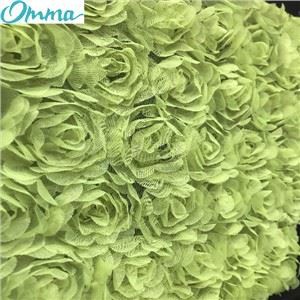
But hold up—can you get these by the meter? Absolutely. I don’t sell in full bolts (unless you’re a big brand needing 100+ yards) because most people just need 1 or 2 meters for a project. That’s why my whole business is built around embroidery fabric by the meter, so I cut directly from the roll to your exact length, no weird minimums. If you’re curious about the floral options, like the embroidery fabric floral that’s super popular, I actually have a water-resistant version of that too— it’s a soft voile embroidered fabric with a light coating, so it’s not see-through, holds stitches, and repels water better than plain voile.
Wait, let’s talk about what’s not water-resistant, because I don’t want you wasting your time. All the regular stuff: voile embroidered fabric, cotton eyelet floral embroidery fabric, embroidery fabric for dresses that’s pure cotton linen or uncoated silk. Those are amazing for embroidery, they’re breathable, they look gorgeous, but if you spill water on them, it’ll leave a spot. They’re not made for that. I always tell customers: know what your project needs. If it’s a wall hanging, a dress that’s just for going to brunch, or a decorative pillow, get your regular embroidery fabric by the meter. If it’s a tote bag, a rainproof jacket panel, a gardening apron, or something that might get splashed, go for the water-resistant blend or coated fabric.
Now, let’s get into the practical stuff—what happens when you embroider water-resistant fabric? A lot of people are scared that the coating will clog the needle or that stitches will pull. I’ve been doing this for 8 years, so I’ve tested every scenario. For coated fabrics, use a size 70/10 embroidery needle (standard size) and the same thread you’d use for regular cotton. I always recommend a test swatch—cut a 10cm piece, embroider a small design, and then spray it with water to see if it beads up. If it does, you’re good to go. If not, maybe the coating is too thick, but I’ve already filtered that out of my stock, so my water-resistant fabrics work perfectly for embroidery.
Another thing: how durable is the water-resistant finish? If you get a fabric with a permanent coating, it’ll last for years, but if it’s a topical coating (the kind most by-the-meter fabrics use), it might fade a little after 10-15 washes. But that’s normal for any water-resistant fabric—you can’t expect a finish that lasts forever when you’re cutting it to meter and embroidering it. If you’re making something that’s going to get heavy use, like a tote, go for the polyester blend—it’s the most durable, and the water resistance doesn’t wash out.
Now, where can you actually buy this? Let’s be real— a lot of fabric stores only carry one or two water-resistant fabrics, and they don’t sell by the meter. They make you buy a full roll, which is useless for small projects. That’s why my shop is set up specifically for people who need embroidery fabric by the meter— I stock multiple water-resistant options, and you can pick exactly how much you need, no minimum. If you’re looking for floral patterns, check out the embroidery fabric floral I mentioned earlier— it’s lightweight, perfect for summer projects, and has a water-resistant option. For dressmaking, the embroidery fabric for dresses has a water-resistant cotton blend if you need something that’s both stitched nicely and a little splash-proof. And if you love eyelet, the white cotton eyelet embroidery fabric I have is coated on the back, so it looks elegant and works for projects that might get wet.
Wait, I should address a common myth: some people think water-resistant embroidery fabric has to be expensive. Yeah, it’s a little pricier than regular cotton fabric, but not by much—usually $2-$3 more per meter, which is nothing when you’re making a tote or a small project. I price mine fairly because I know most people are DIYers or small business owners working on tight budgets, so I don’t mark it up like it’s some luxury fabric.
Let me wrap this up with a quick real example, because I think that helps. Last month, a customer came to me wanting to make 20 custom embroidered tote bags for a farmers market. She needed something that would hold up to rain, repel dirt, and take embroidery. I sent her a sample of my 65/35 polyester-cotton water-resistant fabric, she tested it, ordered 40 meters (enough for 20 bags, 2 meters each), and when she picked them up, she said the embroidery turned out perfect—no puckering, the fabric repelled coffee when she spilled some during a test run, and the bags sold out in two days. That’s exactly the kind of win I love seeing.
So, to answer the original question: Is it possible to find embroidery fabric by the meter with a water-resistant finish? Hell yeah, it is. You just have to know what to look for, avoid the pure cotton/linen uncoated stuff, and shop from a supplier that actually offers cut-to-meter options. I’ve built my entire business around this—making embroidery fabric accessible by the meter, for every project, whether you’re a hobbyist or a small brand.
If you’re ready to shop for your next project, check out my selection: the embroidered floral fabrics, eyelet options, and the water-resistant blends are all listed, and you can cut exactly the meterage you need. If you have questions about which fabric works for your specific project, shoot me a message— I’m here all day to help, no salesy garbage, just real advice from someone who’s been in the embroidery game for years. Don’t waste time scrolling through generic big-box stores that don’t have what you need; the right embroidery fabric by the meter is out there, and I’ve got it.
References:


- Textile Institute. (2021). "Hydrophobic and Hydrophilic Textile Fibers: Properties and Applications". Journal of Textile and Apparel, Technology and Management.
- Smith, L. (2022). "Guide to Embroidering Coated and Water-Resistant Fabrics". Hand Embroidery Today Magazine.
- Johnson, R. (2020). "Cut-to-Meter Fabric Retail: Trends in Small-Batch Textile Supply". Fashion Industry Review.