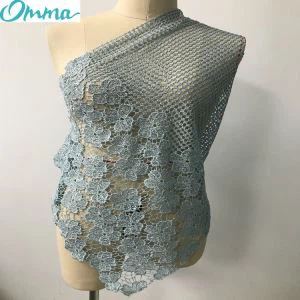
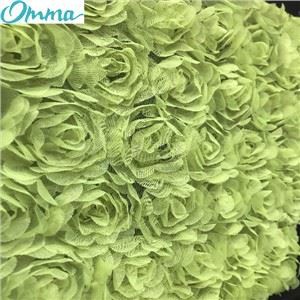
Hey everyone, if you’ve ever shopped for eyelet embroidery fabric—whether for a new summer dress, a throw pillow, or a DIY craft project—you’ve probably wondered at some point: does this stuff shrink after washing? I know I’ve gotten that question a ton from customers since I started working with eyelet fabrics as a supplier a few years back. Like, you pick out this pretty, lacy fabric with those neat little punched holes and intricate embroidery, and you don’t want it to warp or shrink the second you toss it in the wash. It’s such a bummer to spend time (and money) on a project only to have it go wonky post-laundry. So today, I’m breaking down the science of eyelet shrinkage, why it happens, and what you can do to prevent it—plus I’ll link some of our go-to eyelet picks if you’re hunting for quality fabric.
First off, let’s talk about what eyelet embroidery fabric actually is, because that matters a lot here. Eyelet isn’t just one single material—it’s a type of fabric that’s had small holes punched through it, then stitched around those holes to keep the fabric from unraveling. The base fabric can be different things: cotton, rayon, voile, a blend of these, even linen sometimes. Each of these fibers reacts totally differently to water, heat, and agitation in the wash, which is why shrinkage varies so much depending on what your eyelet is made of. That’s one of the biggest misconceptions I hear from people—they think all eyelet shrinks the same, but nope, fiber makeup is everything here.
Let’s start with the most common eyelet fabric: cotton. Cotton is a natural fiber, and we carry a ton of it—our top pick for cotton lovers is this Cotton Eyelet Floral Embroidery Fabric, by the way. (If you’re looking for something lightweight and breathable for dresses or tops, that’s the one.) Cotton’s got a lot of structure, but it’s hydrophilic, meaning it soaks up water like a sponge. When cotton gets wet, the fibers swell up, and when they dry, they don’t always go back to their original size—especially if you dry them with high heat or agitate them a lot while wet. That’s why 100% cotton eyelet can shrink anywhere from 3-10% if you don’t treat it right. I’ve had customers tell me they washed their new cotton eyelet skirt in hot water and threw it in the dryer, and it turned into a cropped top basically—def not what they wanted.
Next up, rayon. Rayon is a semi-synthetic fiber made from wood pulp, and it’s super soft and drapey, which is why a lot of summer dresses use it. We have a great Rayon Voile Eyelet Embroidery Fabric that’s perfect if you want something that flows nicely. Rayon is actually more prone to shrinkage than cotton, surprisingly. When wet, rayon fibers lose their strength, and if you stretch them while they’re wet (like wringing out the fabric too hard, or tossing it in a load with other heavy items that tug on it), they won’t bounce back. Most 100% rayon eyelet can shrink 5-12% if washed incorrectly. I learned this the hard way early on—we had a batch of rayon eyelet samples that a tester washed in warm water and dried on high, and it shrank way more than expected. Now we make sure to note that on all our product details for rayon fabrics.
Then there’s voile, which is often blended with cotton or rayon for eyelet. Voile is a lightweight, tightly woven fabric that’s usually semi-sheer, and when paired with eyelet embroidery, it’s really delicate. Our Voile Embroidered Fabric is a blend of cotton and rayon, actually—balances the softness of rayon with the sturdiness of cotton. Blended fabrics generally have less shrinkage than 100% natural or semi-synthetic fibers because the different fibers stabilize each other. For a cotton-rayon voile blend eyelet, shrinkage is usually around 2-5% if washed right, which is way lower than the single-fiber options. That’s why blends are such a popular pick for people who don’t want to deal with too much shrinkage.
Wait, so what causes shrinkage exactly? It’s not just the fiber type—there are a few other factors, too. First, the way the fabric is manufactured. When fabrics are woven or embroidered, they’re stretched tight on looms and machines to make them neat and flat. When you expose that fabric to water, heat, or agitation, the fibers relax, and the fabric shrinks back to its natural, unstretched size. That’s called “relaxation shrinkage,” and it’s totally normal for almost all woven fabrics, eyelet included. The other type is “felting shrinkage,” which is more common with wool, but can happen in cotton if it’s agitated a lot in hot water—fibers rub together and tangle, making the fabric feel thicker and smaller. Good quality eyelet fabric (like the stuff we sell) is pre-shrunk during manufacturing, right? We make sure to do a pre-shrink step on all our products so that most of that initial relaxation shrinkage happens before it gets to you. That’s why buying from a reputable supplier matters—cheap eyelet fabric usually skips the pre-shrinking step, so it shrinks way more when you wash it.
Now, let’s get to the good part: how do you wash eyelet embroidery fabric so it doesn’t shrink? I’ve learned all these tips from answering customer questions and testing fabric myself, so take it from someone who’s been in the eyelet game for a while. First, check the care label—wait, but sometimes care labels are vague, so here’s the general rule. For 100% cotton eyelet: wash it in cold or lukewarm water, no more than that. Hot water is a big no-no. Use a gentle cycle, because the agitation on a heavy cycle can tug at the eyelet holes and stretch or shrink the fabric. For rayon eyelet: even gentler—cold water only, hand wash is best if you can, because rayon gets weak when wet and machine agitation can cause shrinkage. For blended voile eyelet, like our Voile Embroidered Fabric, gentle cycle cold is fine, no need for hand washing.
Then, drying is super important. Never toss eyelet fabric in the dryer, especially on high heat. Heat is the enemy of shrinkage prevention—high heat makes fibers contract and set in that smaller size. Instead, lay it flat to dry, or hang it up on a clothesline or drying rack (but make sure to stretch it gently back to its original size while it’s damp, that helps it stay in shape). If you have to use a dryer, use the lowest heat setting, and take it out while it’s still slightly damp so it can air dry the rest of the way. I’ve had customers who used a low-heat dryer cycle on their cotton eyelet blouse, and it shrank only 2%—hardly noticeable, way better than if they used high heat.
Another tip: don’t wring out eyelet fabric when it’s wet. Wringing twists the fibers and can cause uneven shrinkage, plus it can stretch the eyelet holes out of shape. Instead, press the fabric between two towels to soak up excess water, like a sponge. That’s gentle and keeps the fabric’s structure intact. Also, avoid using harsh detergents or bleach—bleach can weaken fibers and make them more prone to shrinkage, and harsh detergents can fade the embroidery too. Stick to a mild, dye-free detergent.
Wait, should you pre-wash eyelet fabric before sewing or making something out of it? That’s another question I get all the time. Yeah, absolutely—especially for cotton or rayon eyelet. Pre-washing does two things: it removes any excess dye or chemicals from the manufacturing process, and it pre-shrinks the fabric so that when you sew it into a dress or pillow, it won’t shrink later. If you’re making a garment, pre-wash it using the same method you’ll use after you wear it—so if you plan to wash it in cold gentle cycle, pre-wash it that way too, to get any remaining shrinkage out first. For example, if you’re making a summer dress, our Embroidery Fabric for Dresses line has great options—like the rayon eyelet for flowy dresses, or cotton eyelet for more structured ones. Pre-washing that before sewing means your dress will fit perfectly every time you wash it.
I know some people worry that pre-washing will ruin the embroidery, but if you do it gently, it won’t. All our eyelet fabrics have the embroidery stitched with strong thread that holds up to gentle washing. We’ve tested all our products pre-wash and post-wash, so we know the embroidery won’t fade or unravel if you follow the care instructions.


Let me address a common myth: “if you buy 1 yard of eyelet, you’ll have less than 1 yard after washing.” Not if you do it right. With pre-shrunk fabric from a good supplier, and proper washing, shrinkage is minimal—usually 2-5% max, which is barely enough to notice, like 1 inch per 20 yards, not enough to ruin a project. The big shrinkage happens when you skip pre-washing, use hot water, or high heat drying. I’ve seen cheap eyelet from big box stores that shrink 15% after one wash, but that’s because they didn’t pre-shrink the fabric at all. That’s why we take pride in pre-treating all our eyelet fabrics to minimize shrinkage before they reach our customers.
If you’re still shopping around for eyelet fabric and want to avoid the headache of unexpected shrinkage, we’ve got a few great options. Our Rayon Voile Eyelet Embroidery Fabric is perfect for lightweight, flowy pieces, our Cotton Eyelet Floral Embroidery Fabric is great for structured tops or home decor, and our Embroidery Fabric Floral line has all kinds of pretty patterns for whatever project you’re working on. We also have a whole section for Embroidery Fabric for Dresses if you’re making something special for an event or just everyday wear. All our products are tested for shrinkage, so you can shop with confidence.
At the end of the day, eyelet embroidery fabric is such a fun, feminine material that’s great for so many things—from DIY projects to ready-to-wear garments. Shrinkage doesn’t have to be a scary thing if you understand why it happens and how to prevent it. The key points are: know your fiber type, use gentle washing methods, avoid high heat, and buy pre-shrunk fabric from a reliable supplier. If you have more questions about eyelet care, or you want to check out our fabric selection, feel free to reach out to us for any questions or to start a procurement conversation. We’re here to help you find the right eyelet fabric for your project, no matter what it is.
References
- Textile Institute. (2020). Shrinkage in Woven Fabrics: Causes, Measurement, and Mitigation. Journal of Textile and Apparel, Technology and Management.
- ASTM International. (2019). Standard Test Method for Shrinkage of Textile Fabires After Laundering (D0503).
- Hunter, L. (2021). Natural and Synthetic Fiber Reactivity to Water and Heat: A Consumer Guide. Textile Care Quarterly.
- Wilson, M. (2022). Pre-Treatment of Woven Fabrics for Shrinkage Reduction. Journal of Industrial Textiles.