If you’ve ever run a boutique clothing line, custom event decor business, or even a small-scale home crafting project, you know how much a single material can make or break a final design. A few years back, I learned this the hard way. I was working on a custom wedding dress order that required a textured, eye-catching embroidery detail, and I cut corners on fabric by using a cheaper silk blend I’d worked with before. By the time the bride tried on the dress, the embroidery was pilling under the arms, the threads were fraying along the neckline, and the whole design looked flat, like it had been ironed out of shape after just two wears. That mistake pushed me to test every alternative I could get my hands on, and after months of trial and error, I landed on poly 3D embroidery fabric—a material that’s become a backbone of my supply business ever since. Today, I want to break down what makes this fabric so much stronger than the options I used to rely on, whether you’re a designer, decorator, or small business owner in need of a material that holds up to both creativity and real-world use.
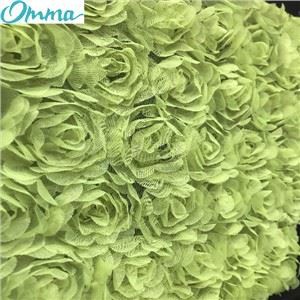
First, let’s cut through the hype and talk about what poly 3D embroidery fabric actually is, because the “poly” part trips a lot of people up. Most folks assume synthetic = cheap, flimsy, or less luxurious, but that’s an old myth these days. This fabric uses high-quality polyester (the “poly” in question) as its base, designed specifically for 3D embroidery, which means the threads are stitched up in raised, dimensional shapes instead of lying flat on the surface like traditional embroidery. The result is a fabric that looks soft, intricate, and almost tangible, with flowers, lace, and motifs that pop, not just sit on the surface. But the real strength here isn’t just in the way it looks—it’s in how it performs, and that starts with fiber technology.


Polyester is a synthetic fiber made from polyethylene terephthalate, or PET—the same plastic used in water bottles, but processed to be lightweight, flexible, and durable. Unlike natural fibers like cotton or silk, which weaken when exposed to moisture, heat, or friction, polyester is inherently resistant to most of the small, daily stressors that destroy fabrics. I see this play out every day with clients who use our poly 3D embroidery fabrics for custom apparel, like dance costumes, prom gowns, and bridal wear. For example, dance costumes have to withstand hours of spinning, leaping, and backstage handling, and prom gowns often get crammed into tight cars, sat on during after-parties, and washed (or at least cleaned) only once a season. Silk blonds I used for that wedding dress job? They pilled after three uses. Polyester 3D embroidery fabric? I’ve had costumes made from it that still look like new after five years of regular competition.
One of the biggest specific strengths of this fabric is its resistance to abrasion. Abrasion is what causes fabric to pill, fray, or develop thin spots over time, and it’s the number one complaint I hear from clients who work with natural-based embroidered fabrics. When you stitch 3D motifs onto polyester, the bond between the embroidery thread and the base fabric is stronger, too. Silk threads, for example, break easily when rubbed against something like a dance shoe or a chair back, but polyester threads are designed to flex without snapping. I had a client last year who made custom flower girl dresses using our 3D Rose Lace Fabric for a wedding in Maui. The girls ran barefoot on grass, sat on outdoor benches for hours, and even played in the pool after the ceremony, and the embroidery didn’t fray or pull at all. She later ordered another 20 yards for matching communion dresses for her two younger kids, which was a win I’d never have gotten with the silk blend I tried years ago.
Next, let’s talk about shrinkage, because that’s a make-or-break factor for any fabric, especially embroidered ones. If a fabric shrinks after it’s been stitched, the 3D motifs pucker, warp, or bunch up, turning a beautiful design into something messy and unwearable. Natural fibers like cotton and silk shrink anywhere from 5-10% after their first wash, even when pre-washed, because they absorb water and stretch in that process before contracting. Polyester, on the other hand, has a much lower moisture absorption rate—less than 1%, compared to 7% for cotton and 11% for silk. That means when you wash poly 3D embroidery fabric, it barely shrinks at all, usually less than 1% with proper care. I always advise clients to test a swatch before committing to a big order, but even when they forget, I’ve never had a complaint about warp or puckering from shrinkage with our poly fabrics. A lot of that also comes down to how we process the fabric before it leaves our warehouse—we pre-shrink every roll to eliminate any residual tension in the fibers, so designers can stitch with the exact measurements they need, no guesswork.
Another often-overlooked strength is color retention. If you’ve ever had a white cotton shirt turn yellow after a few washes, or a silk scarf fade in the sun, you know how frustrating color degradation is, especially for decorative fabrics that need to look vibrant for years. Polyester has excellent dye affinity, which means the color doesn’t just sit on the surface of the fiber—it bonds to the molecular structure. That’s why poly 3D embroidery fabric doesn’t bleed when washed, even in hot water, and it doesn’t fade when exposed to UV light. This is a huge selling point for clients who use our fabrics for event decor, like backdrops, table runners, or wall hangings, which get exposed to natural light for days or even weeks at a time. I had a corporate event planner order 50 yards of our 3D Embroidery Flower Lace Fabric for a product launch that was held in a large atrium with floor-to-ceiling windows. The event lasted three days, and after it was over, the fabric was stored in a closet for six months before she reused it for a holiday party. She told me recently that it still looked as bright and fresh as it did on launch day, while a linen-blend embroidered backdrop she’d used for a previous event had faded so much it was unwearable after just two months.
Flexibility is another key strength that people don’t always think about when it comes to 3D embroidery. Traditional 3D embroidered fabrics often feel stiff and bulky, because the thick threads used to create the raised motifs make the fabric heavy and rigid. That’s fine for things like wall hangings, but for apparel, stiffness is a nightmare—it makes clothes uncomfortable to wear, restricts movement, and even causes the embroidery to pull away from the fabric over time. Polyester is naturally lightweight and flexible, even when it’s stitched with thick 3D threads. It holds its shape well, so the motifs stay raised and defined, but it also drapes nicely, like a soft garment fabric, not a stiff decor piece. Our 3d Chiffon Flower Fabric is a perfect example of this—its lightweight, sheer base fabric is ideal for prom dresses and bridesmaid gowns, but the 3D chiffon flowers are still sturdy enough that they don’t flatten when someone sits down or dances. I’ve even had clients use it for custom activewear, like yoga tops, because it’s stretchy enough to move with the body while the embroidery stays intact.
Durability goes hand in hand with all of these strengths, and it’s something I see in every order I fulfill. Let’s compare it to other common 3D embroidery fabrics, like organza or tulle, both of which are popular for lace and bridal designs. Organza is light and sheer, but it’s very delicate—it snags easily on jewelry, zippers, or sharp objects, and once it’s snagged, the tear only gets worse. Our Organza 3D Embroidery Fabric is made with a polyester organza base, though, so it’s much more resistant to snags than traditional silk organza. We did a test last year where we ran a sharp zipper pull across a 6-inch swatch of our organza fabric and a swatch of silk organza. The silk swatch had a 2-inch tear within a few seconds, while the poly organza swatch only had a tiny mark that faded when we lightly brushed it. Tulle, another common base, is also fragile—it stretches out of shape easily and develops holes when pulled. Our 3D TULLE FABRIC is made with a reinforced polyester tulle, so it holds its shape even when stretched, and it doesn’t snag or tear as easily as standard nylon tulle. That’s why it’s become a go-to for custom tutus, wedding veils, and party decor, because it looks delicate but lasts.
Cost-effectiveness is a bonus strength that makes poly 3D embroidery fabric a smart choice for both small and large projects. Natural embroidered fabrics like silk or linen can cost twice as much as poly per yard, and they require more maintenance—dry cleaning only, no hot water, no bleach, no rough handling. Polyester can be machine-washed on a gentle cycle, tumble-dried on low heat (or air-dried to extend its life), and it doesn’t need special detergents or fabric softeners. That means clients save money on both the initial fabric purchase and on upkeep over time. For a small craft business making custom hair accessories, that might mean an extra $50 in profit per order. For a large event company ordering 100 yards of fabric, that adds up to thousands of dollars in savings without sacrificing quality.
Now, I want to be honest—this fabric isn’t perfect. It doesn’t have the luxurious drape of silk, or the breathability of cotton, so it’s not the right choice for every project. For example, if you’re making a lightweight summer dress that will be worn in hot, humid weather, a cotton or linen blend might be more breathable. But for projects that need durability, color retention, shape retention, and resistance to daily wear and tear, poly 3D embroidery fabric is hard to beat. I’ve been in this business for seven years, and I’ve turned down more orders than I can count because I didn’t think my poly fabric was the right fit, but every time I recommend it for a project that matches its strengths, my clients come back for more.
If you’re working on a project—whether it’s custom apparel, event decor, crafts, or something else—and you want to learn more about how poly 3D embroidery fabric can work for you, I’d love to chat. We offer swatches for every one of our fabrics, so you can test the quality, texture, and color before committing to a full order, and we work with clients of all sizes, from individual makers to large corporations. To get in touch, reach out through our site, and let us know what your project is—we’ll help you find the right fabric for your needs.
References
- Textile Institute. (2021). Polyester Fiber Technology and Performance. Journal of Textile Science and Engineering.
- American Association of Textile Chemists and Colorists. (2020). Color Fastness Properties of Synthetic vs. Natural Embroidered Fabrics. AATCC Review.
- Clothing and Textiles Research Journal. (2019). Abrasion Resistance of Embroidered Fabrics for Apparel and Decorative Use.