Cross - stitch fabric and embroidery fabric are both commonly used in needle - work, but they have differences in material, weave, appearance, and usage. Here is a detailed analysis:
Fabric material:
Cross - stitch fabric: It is usually made of cotton. Cotton cross - stitch fabric is soft, easy to handle, and has good color - fastness, which can ensure that the fabric will not fade or deform during the cross - stitch process.
Embroidery fabric: It can be made from a variety of materials, including cotton, linen, silk, and synthetic fibers. Different materials endow the fabric with different characteristics. For example, silk embroidery fabric is soft and shiny, linen embroidery fabric has a unique rough texture, and cotton embroidery fabric is durable and easy to use.
Fabric weave:
Cross - stitch fabric: It typically features an even - weave, with a grid - like pattern formed by the warp and weft threads. This grid structure makes it easy for stitchers to count stitches and ensures that the cross - stitches are evenly spaced and of uniform size.
Embroidery fabric: The weave of embroidery fabric is more diverse. It can be plain - weave, twill - weave, or satin - weave. Plain - weave embroidery fabric is flat and stable, twill - weave fabric has a diagonal texture that adds a unique visual effect, and satin - weave fabric has a smooth and shiny surface.
Appearance and texture:
Cross - stitch fabric: The surface of cross - stitch fabric is relatively flat, and the grid - like texture is its most obvious feature. The size of the grid varies according to the fabric count, such as 14 - count, 16 - count, and 18 - count. The higher the count, the smaller the grid and the finer the fabric, which is suitable for more detailed cross - stitch patterns.
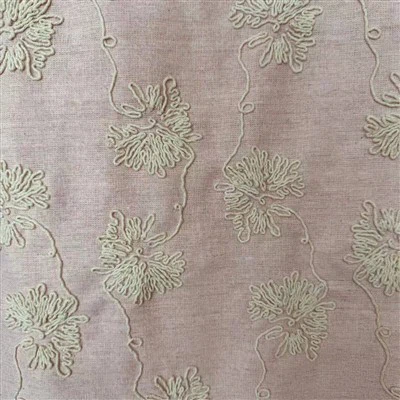
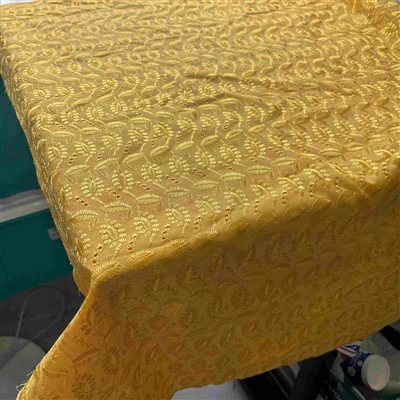
Embroidery fabric: Embroidery fabric has a more natural and smooth appearance without the obvious grid texture of cross - stitch fabric. Its texture can be adjusted according to different materials and weaves, showing a soft, smooth, or rough texture as needed.
Usage and application scenarios:
Cross - stitch fabric: It is mainly used for cross - stitch work, where each stitch is made in a specific grid to form a pattern. It is very suitable for creating patterns with clear lines and regular shapes, such as landscapes, portraits, and geometric patterns. Cross - stitch works on this fabric are often used for home decoration, such as making cross - stitch pictures, pillowcases, and tablecloths.
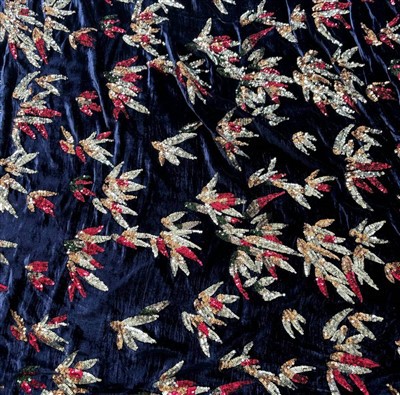
Embroidery fabric: It is suitable for a variety of embroidery techniques, including satin stitch, chain stitch, French knot, and more. It can be used to create more free - form and delicate patterns, such as flower - and - bird - themed embroideries, traditional Chinese - style embroideries, and fashion - design - related embroideries. Embroidery works on this fabric can be applied to clothing, scarves, handkerchiefs, and other items to enhance their decorative effect.