Embroidery can be done on a wide variety of fabrics, but three commonly used types are cotton, linen, and silk. Here is a detailed introduction:
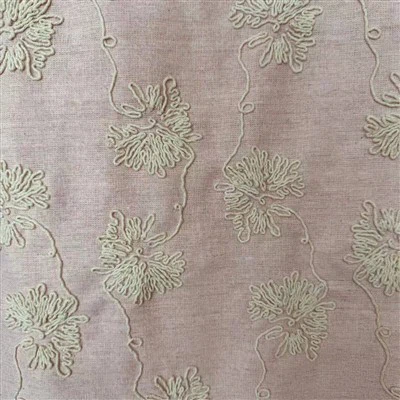
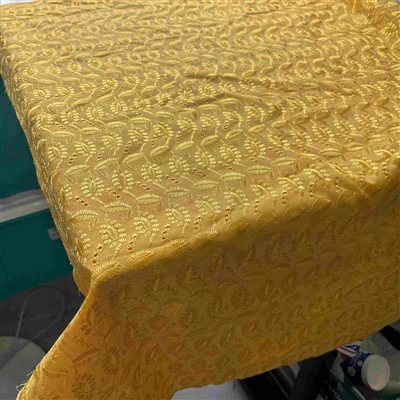
Cotton fabric: It is one of the most popular choices for embroidery. It has a soft texture, is easy to handle, and has good breathability. Its fibers can firmly hold the embroidery threads, making it suitable for various embroidery techniques and stitches. Whether it is simple cross - stitch or complex satin - stitch embroidery, cotton fabric can present good results. Moreover, cotton fabric is widely available and comes in different thicknesses and weaves, such as plain - weave cotton, twill - weave cotton, and canvas - weave cotton, which can meet different needs of embroidery works.
Linen fabric: Linen fabric is made from flax fibers and has a unique texture with a certain degree of stiffness. It gives embroidery works a natural and rustic look. The coarse texture of linen can create a special visual effect, making the embroidery patterns appear more three - dimensional. It is very suitable for some embroidery styles that require a sense of texture, such as traditional folk embroidery or some decorative embroidery. In addition, linen fabric has good moisture - absorption and air - permeability, which can keep the work comfortable during the embroidery process.
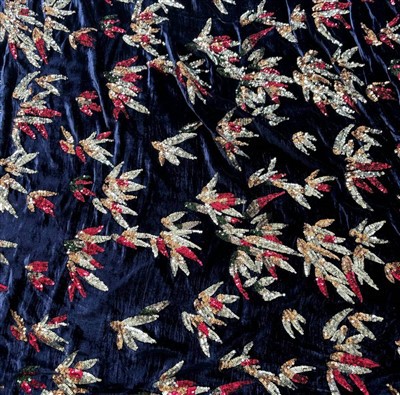
Silk fabric: Silk is a high - quality fabric known for its softness, smoothness, and luster. It can make embroidery patterns look more vivid and glossy. The fine texture of silk allows for very detailed and delicate embroidery work, and it can showcase the beauty of embroidery threads to the fullest. Silk fabric is often used for high - end embroidery works, such as those for making traditional Chinese silk embroidery paintings or high - end clothing decoration. However, silk fabric is relatively delicate and requires more careful handling during the embroidery process to avoid damage.