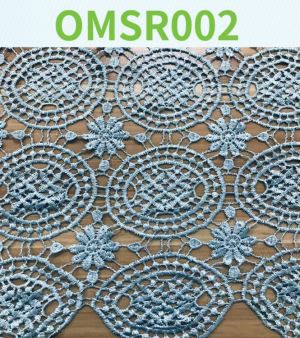
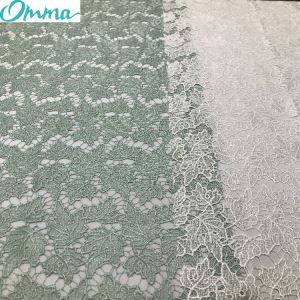
Shiny Yarn Chemical Lace is a delicate and beautiful material that adds a touch of elegance to various products, from fashion apparel to home decor. However, one common issue that many users face is the fraying of this lace. As a supplier of Shiny Yarn Chemical Lace, I understand the importance of preventing fraying to ensure the longevity and quality of the lace. In this blog post, I will share some effective methods to prevent Shiny Yarn Chemical Lace from fraying.
Understanding the Causes of Fraying
Before we delve into the prevention methods, it's essential to understand what causes fraying in Shiny Yarn Chemical Lace. Fraying occurs when the threads at the edges of the lace start to come loose and separate from the main fabric. This can be due to several factors, including:


- Cutting Technique: Improper cutting of the lace can damage the threads, making them more prone to fraying. Using dull scissors or cutting at an angle can weaken the edges of the lace.
- Friction: Frequent rubbing or abrasion against rough surfaces can cause the threads to break and fray. This is especially common when the lace is used in high - stress areas such as sleeves or collars.
- Washing and Drying: Harsh washing detergents, high - speed spinning in the washing machine, and rough drying can all contribute to fraying. The agitation during these processes can loosen the threads.
Prevention Methods
1. Proper Cutting Technique
The first step in preventing fraying is to use the right cutting technique. When cutting Shiny Yarn Chemical Lace, make sure to use sharp scissors. Dull scissors can crush the threads instead of cutting them cleanly, increasing the risk of fraying. Place the lace on a flat surface and cut it straight across, perpendicular to the threads. If possible, cut the lace with a rotary cutter, as it provides a cleaner and more precise cut.
2. Sealing the Edges
Sealing the edges of the lace is an effective way to prevent fraying. There are several methods to seal the edges:
- Using a Needle and Thread: Thread a needle with a matching thread and make a small running stitch along the cut edge of the lace. This will hold the threads together and prevent them from coming loose. You can also use a zig - zag stitch for a more secure seal.
- Applying Fray Check: Fray check is a liquid that can be applied to the cut edges of the lace. It dries quickly and forms a hard, protective coating that prevents fraying. Apply a small amount of fray check to the edge of the lace using a brush or a cotton swab, and let it dry completely.
- Heat Sealing: For some types of Shiny Yarn Chemical Lace, heat sealing can be an option. Use a hot iron or a heat - sealing tool to gently melt the edges of the lace. Be careful not to overheat the lace, as this can damage the material.
3. Reducing Friction
To minimize fraying caused by friction, take the following steps:
- Choose the Right Placement: When using the lace in a project, avoid placing it in areas where it will come into contact with rough surfaces. For example, if you are using the lace on a garment, place it away from zippers, buttons, or seams that may rub against it.
- Use a Lining: If the lace is used on the outside of a garment, consider using a lining to protect it from friction. The lining will act as a barrier between the lace and the skin or other rough surfaces.
4. Gentle Washing and Drying
Proper care during washing and drying is crucial to prevent fraying. Follow these tips:
- Use a Gentle Detergent: Choose a mild, gentle detergent that is suitable for delicate fabrics. Avoid using harsh detergents that can damage the lace.
- Hand Wash or Use a Delicate Cycle: Hand washing is the best option for Shiny Yarn Chemical Lace, as it allows you to control the amount of agitation. If you use a washing machine, select the delicate cycle and use a mesh laundry bag to protect the lace.
- Air Dry: Avoid using a dryer, as the high heat and tumbling can cause the lace to fray. Instead, lay the lace flat on a towel and let it air dry.
Product - Specific Considerations
Chemical Lace Overlay
Chemical Lace Overlay is a popular type of Shiny Yarn Chemical Lace. When working with this overlay, pay special attention to the edges. Since it is often used as a decorative layer, it may be more exposed to friction. Use a fine thread to stitch the edges or apply fray check to ensure its durability.
Sequin Lace Corded Chain Fabric
Sequin Lace Corded Chain Fabric has a unique structure with sequins and cords. When cutting this fabric, be extra careful not to damage the sequins or the cords. After cutting, use a needle and thread to secure the edges, making sure to stitch around the sequins and cords to prevent them from coming loose.
Schiffli Lace
Schiffli Lace is known for its intricate designs. To prevent fraying in Schiffli Lace, use a sharp cutting tool to maintain the integrity of the design. Sealing the edges with fray check or a fine stitch will help preserve the beauty of the lace.
Conclusion
Preventing Shiny Yarn Chemical Lace from fraying requires a combination of proper cutting, edge sealing, friction reduction, and gentle care. By following the methods outlined in this blog post, you can ensure that your Shiny Yarn Chemical Lace remains in excellent condition for a long time.
As a supplier of Shiny Yarn Chemical Lace, I am committed to providing high - quality products and sharing valuable knowledge with our customers. If you are interested in purchasing our Shiny Yarn Chemical Lace or have any questions about preventing fraying, please feel free to contact us for a detailed discussion. We look forward to working with you to meet your lace needs.
References
- Textile Fabric Care Guide, published by a leading textile research institute.
- Professional Sewing Techniques Handbook, written by an experienced seamstress.